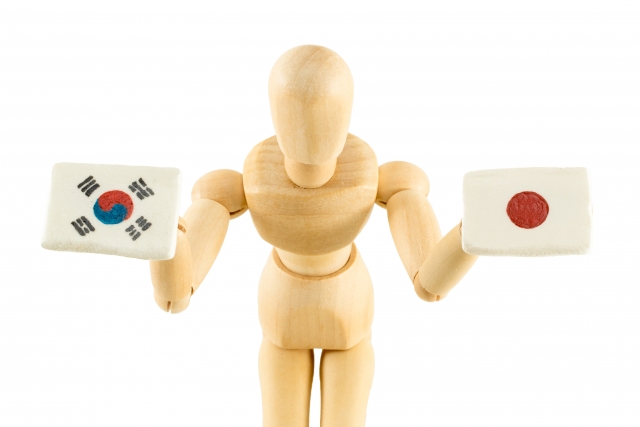
Living in Japan for eight years has been an incredible experience. Yet even now, certain aspects of Japanese restaurant culture still catch my Korean instincts off guard.
Here’s a personal breakdown of the quirks, cultural surprises, and small “omona!” moments I’ve encountered while dining out in Japan.
1. The Kimchi Shock: Paying for Banchan?
In Korea, the moment you sit down at a restaurant, the table fills with banchan—complimentary side dishes that feel as essential as air or water. They’re unlimited, refillable, and unquestioned.
So imagine my culture shock the first time I walked into a Japanese yakiniku restaurant and realized that kimchi costs extra.
Even after eight years, my brain still freezes for half a second when I see kimchi listed under “paid menu items.” It feels oddly similar to being charged for napkins or tap water. I’ve accepted it intellectually—but emotionally? I’m still not there. I may never fully adapt to a world where kimchi isn’t free-flow.
2. Otoshi: The Cover Charge That Finally Makes Sense
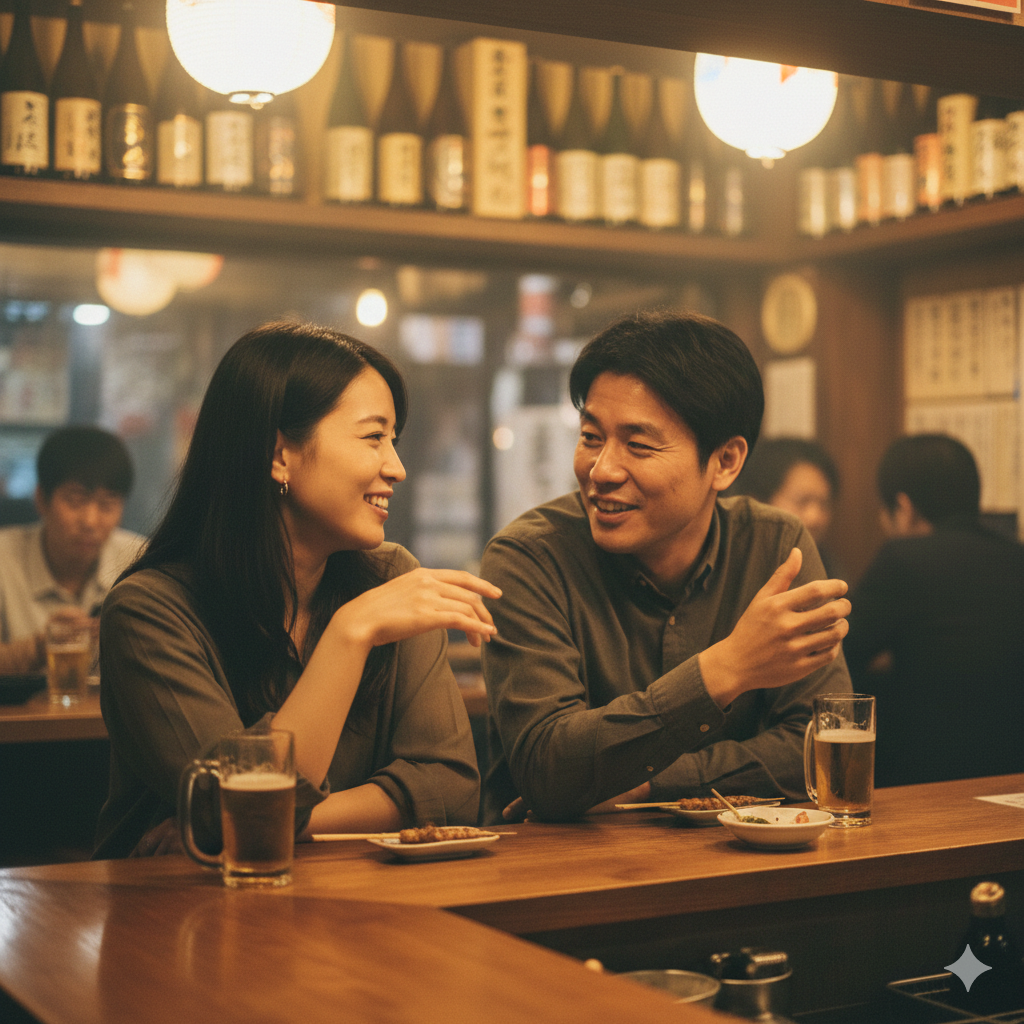
Many Japanese izakayas serve a small appetizer you didn’t order—called otoshi—and quietly add it to your bill as a seating fee. At first, this confused (and mildly annoyed) me.
Then I started paying attention.
I’ve watched customers order just two yakitori skewers and one beer, then occupy their seats for nearly two hours while chatting. If izakayas didn’t charge otoshi, they’d probably go out of business within a week.
Seen this way, otoshi isn’t a scam—it’s essentially rent for your seat. Once I reframed it like that, I became completely fine with it.
3. To Lift or Not to Lift: The Rice Bowl Question
There’s a surprisingly big difference in how Koreans and Japanese physically eat rice.
In Korea, rice is eaten with a metal spoon. Metal bowls get extremely hot, so lifting the bowl is a strict no-no. The bowl stays on the table; the spoon does all the work.
In Japan, it’s the opposite. Bowls are usually ceramic or wooden, and chopsticks are used. Lifting the bowl close to your mouth is not only acceptable—it’s polite.
In Korea, lifting your rice bowl can feel overly dramatic or even rude. In Japan, not lifting it can look awkward. Same food, completely different body language.
4. The Ketchup Mystery: Just Ask
I learned this lesson at McDonald’s.
In Korea, ketchup packets appear automatically—sometimes in absurd quantities. In Japan, your tray arrives completely ketchup-free.
This isn’t stinginess. It’s intentional minimalism. Japanese restaurants assume you’ll ask only if you actually need it. Say “Ketchup, please,” and you’ll get it—free, politely, and without judgment.
Less waste, more intention.
5. Solo Dining: Japan’s Quiet Superpower
Japan is arguably the global capital of solo dining.
Counter seats are everywhere—ramen shops, sushi bars, even yakiniku restaurants. Eating alone isn’t awkward or sad; it’s normal and respected.
In Korea, things are changing, but many dishes—BBQ, budae-jjigae, dak-galbi—still require a minimum of two people. In Japan, my solo meals are never questioned. Sometimes, that quiet independence feels like a luxury.
Closing Thoughts
After nearly a decade in Japan, I’ve come to see the contrast clearly:
- Korean dining feels like a boisterous festival of sharing.
- Japanese dining feels like a polite ritual of precision.
One feeds my social instincts; the other feeds my appreciation for order and personal space.
And even if I’m still internally crying while paying 400 yen for a plate of kimchi—I wouldn’t trade these experiences for anything.
Have you ever had a “Wait, I have to pay for this?” moment while traveling? I’d love to hear your story in the comments.
Leave a Reply