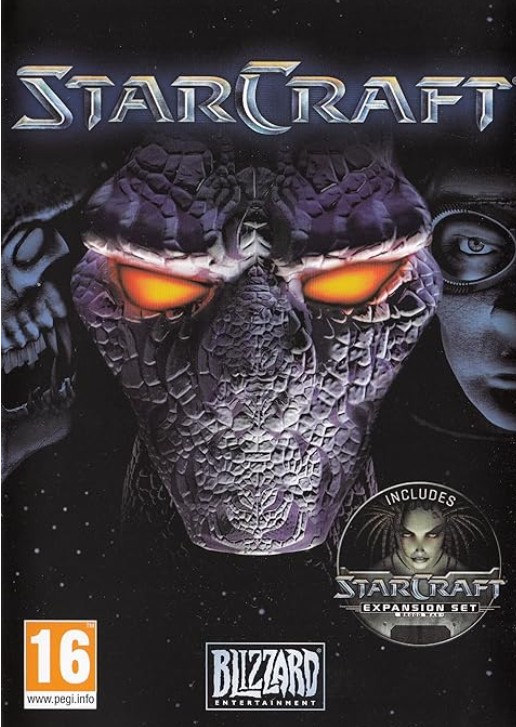
1. The “Yamato” Clue: A Love Letter to Japan
Growing up in Korea, I spent countless hours in PC Bangs (LAN centers) playing StarCraft. But it wasn’t until I turned to 17 years old, when I learned Yamato Battleship (Japanese Battleship operated in the World War II) in history class, I wondered why the Terran Battlecruiser’s ultimate weapon is the “Yamato Cannon.”
Why would an American sci-fi game use the name of a Japanese battleship?
As it turns out, Blizzard didn’t originally design StarCraft to be a Korean national sport. They built it to conquer Japan. From the “Yamato” homage to the Protoss—a race heavily inspired by the Japanese Bushido (Samurai) code of honor—the game was a massive “love letter” to Japanese pop culture.
2. The Evidence: Courting the Console Kingdom
Blizzard went beyond just aesthetic references to win over Japan:
- The Nintendo 64 Port: In an era where PC gaming was niche in Japan, Blizzard took the massive effort to port a complex RTS (Real-Time Strategy) game to the Nintendo 64—the dominant console of the time.
- Localized Lore: They invested in Japanese localization and partnerships (like Capcom) to bridge the gap.
They wanted Japan. But Japan didn’t want them.
3. The Great Divergence: Why Korea?
So, why did a game designed for Japan become a “folk game” in Korea instead? The answer lies in a perfect storm of culture and crisis.
- PC Bangs vs. The Living Room: Japan was (and is) the Kingdom of Consoles. Gaming happened on the couch with friends. In Korea, the 1997 IMF financial crisis led to a massive boom in PC Bangs—cheap, high-speed internet hubs that became the third space for youth.
- Broadband Infrastructure: While Japan stayed comfortable with its established console market, the Korean government made a massive “bet on the future,” installing high-speed ADSL nationwide. This made Blizzard’s Battle.net (online multiplayer) a lag-free addiction for Koreans.
- The Culture Gap: At the time, Japanese pop culture was legally restricted in Korea. This created a vacuum that Western PC games filled perfectly. Koreans didn’t care about the “Yamato” reference; they cared about the intense, ladder-based competition.
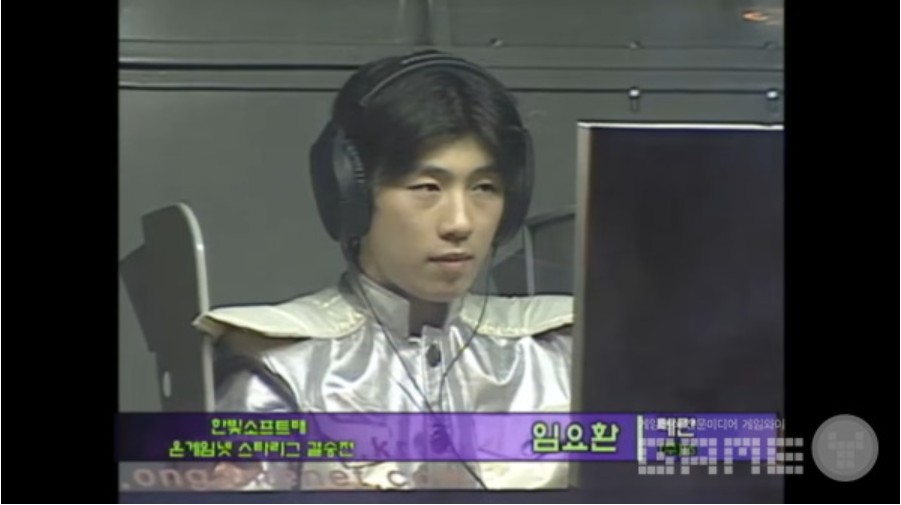
The Legendary StarCraft Progamer: @ SlayerS_’BoxeR’
Lim Yohwan)
4. The Birth of the “Pro-Gamer”
Because of StarCraft, Korea did something the world had never seen: it turned gaming into a professional televised sport. While Japan viewed games as a hobby (like Pokémon or Final Fantasy), Korea treated StarCraft like chess or soccer. We saw the rise of the world’s first gaming TV stations, massive corporate sponsorships (Samsung, SK Telecom), and icons like Lim Yo-hwan (SlayerS_’BoxeR’)—the “Emperor of Terran”—who achieved celebrity status comparable to K-pop stars today.
5. Conclusion: Two Neighbors, Two Digital DNAs
Living here in Yokohama, I still see kids gathered in parks playing Nintendo Switch together. It’s a beautiful, social culture. But across the sea in Korea, the spirit of StarCraft lives on in the fierce competitiveness of League of Legends and Valorant.
StarCraft proves that a developer can build a game for one market, but the societal infrastructure and cultural timing determine where it truly takes root. Blizzard sent a love letter to Japan, but Korea was the one who wrote back—and changed the history of gaming forever.
Leave a Reply