To many Western observers, a striking contrast exists between Germany’s deep atonement for the Holocaust and Japan’s perceived “historical amnesia.” It is tempting to frame this as a story of German “sincerity” versus Japanese “denial.”
However, international relations are rarely driven by morality or emotions. They are driven by interests. Japan’s shift toward a “victim narrative” was not a cultural quirk, but a calculated response to a unique geopolitical and economic structure.
1. The “Atomic Shield”: Strategic Victimhood
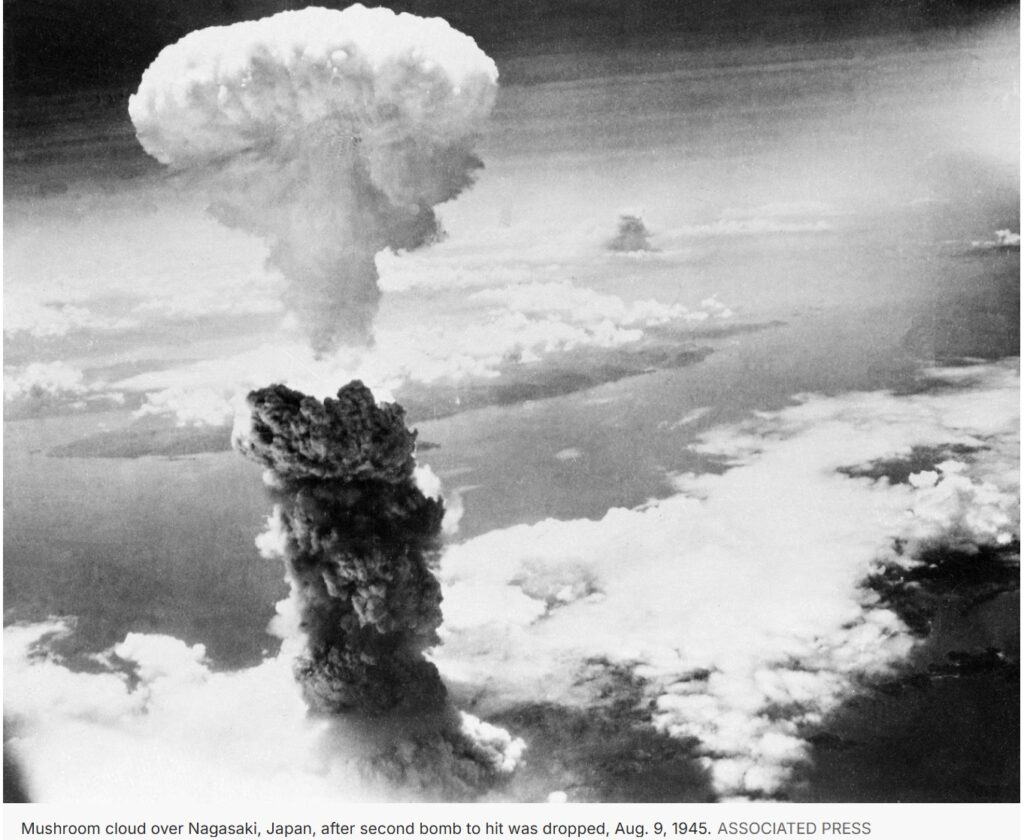
Japan successfully leveraged the tragedies of Hiroshima and Nagasaki to build a powerful national identity as the world’s only victim of nuclear weapons.
- Narrative Shift: By focusing on the horrific result of the war (the atomic bombs) rather than the cause (imperial aggression), Japan pivoted from “aggressor” to “martyr.”
- Pop Culture Metaphor: The original Godzilla (1954) perfectly mirrors this. It was a metaphor for nuclear terror—a monster created by American testing that victimized Japan. Over time, Godzilla became a guardian god, symbolizing how Japan internalized the war as a tragedy it survived, rather than a crime it committed.
2. The US “Reverse Course”: Dynastic Continuity
Unlike Germany, where the Nazi regime was systematically dismantled, the U.S. preserved Japan’s power structure to create an anti-communist bastion in the Pacific.
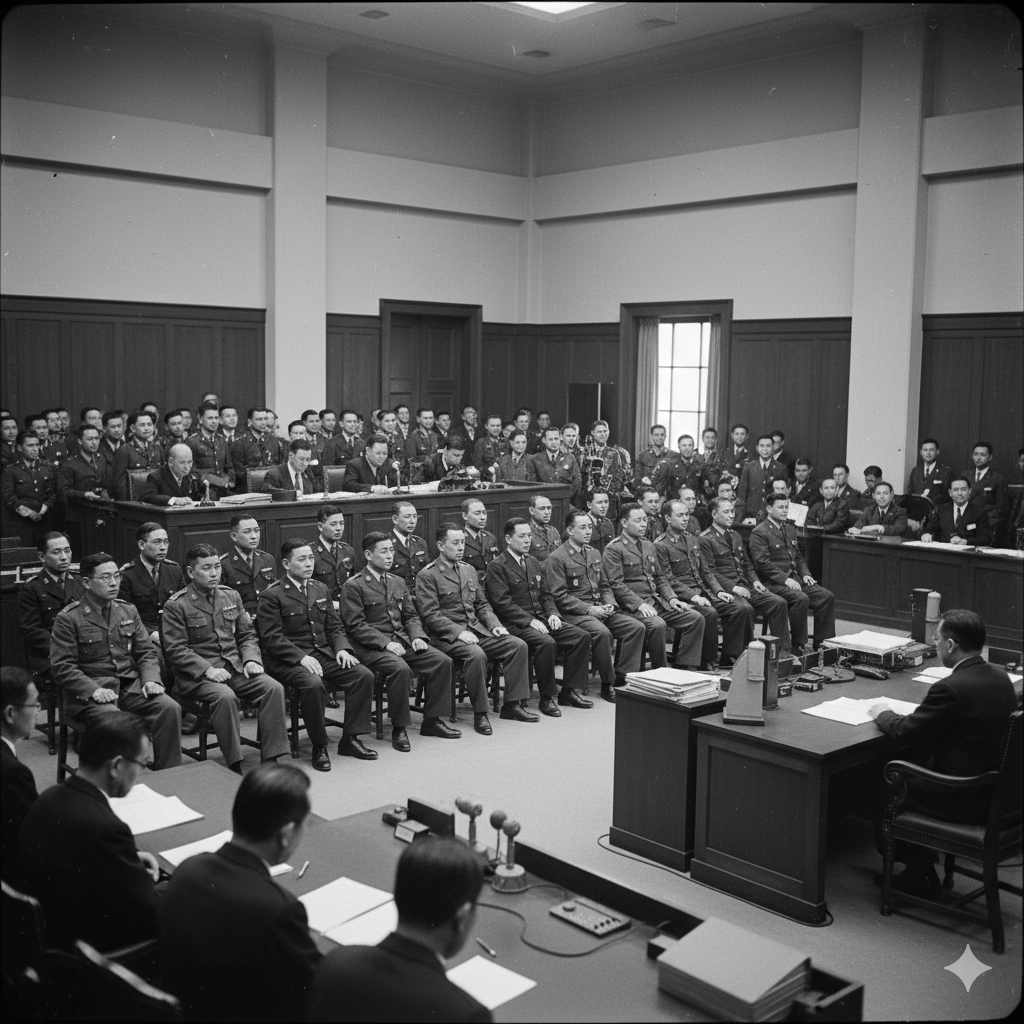
- The “Monster” in the Office: The U.S. released suspected Class-A war criminals to lead the new government. The most prominent was Nobusuke Kishi, the “Monster of Manchuria.”
- The Family Lineage: Kishi went on to become Prime Minister and the founder of the Liberal Democratic Party (LDP). Notably, Kishi was the grandfather of the late Prime Minister Shinzo Abe. For leaders like Abe, sincerely apologizing for the war meant condemning their own ancestors and the foundations of their political power.
3. The Korean War: Prosperity Without Penance
The Korean War (1950–1953) proved to Japan that they didn’t need to repent to thrive.
- The Logistics Hub: The U.S. desperately needed Japan’s industrial capacity to supply the war on the Korean Peninsula. Former wartime factories and “skilled” imperial labor were rehabilitated overnight to become the “factory of the world.”
- The Lesson: This generated the “Korean War Boom” (Tokuju), saving companies like Toyota from bankruptcy. Japan learned that strategic utility to the U.S. mattered more than moral reflection.
4. The Economic Logic: Customers vs. Laborers
The most stark difference between Germany and Japan lies in their export structures. This was a matter of business, not heart.
- Germany’s Peer Market: Germany’s primary customers were France, the UK, and the Soviet Union—the very victims of Nazi aggression. For Germany, moral atonement was a “market entry requirement.” You cannot sell goods to a neighbor who still views you as a threat.
- Japan’s Vertical Supply Chain: Japan’s primary customers were across the Pacific in the U.S. and Europe. Their Asian neighbors (Korea, China, SE Asia) were not seen as consumers, but as sources of cheap labor and raw materials. Because Japan’s economic “boss” (the U.S.) didn’t demand an apology, and their “subordinates” (Asia) had no market power to force one, Japan saw no economic reason to bow.
Conclusion: Interests over Morality
Germany isn’t “kinder” than Japan, and Japan isn’t “more stubborn” than Germany. Both nations acted according to the structures they lived in.
Germany was forced to face its past because its economic and security survival depended on the forgiveness of its neighbors. Japan, however, was shielded by the American security umbrella and rewarded by the exigencies of the Cold War and the Korean War.
International relations are not governed by guilt; they are governed by incentives. For 70 years, the global structure incentivized Japan to play the victim. As the economic power of Asia grows, the incentives are finally shifting—but for the political dynasties in Tokyo, the cost of changing the narrative remains high.
Leave a Reply