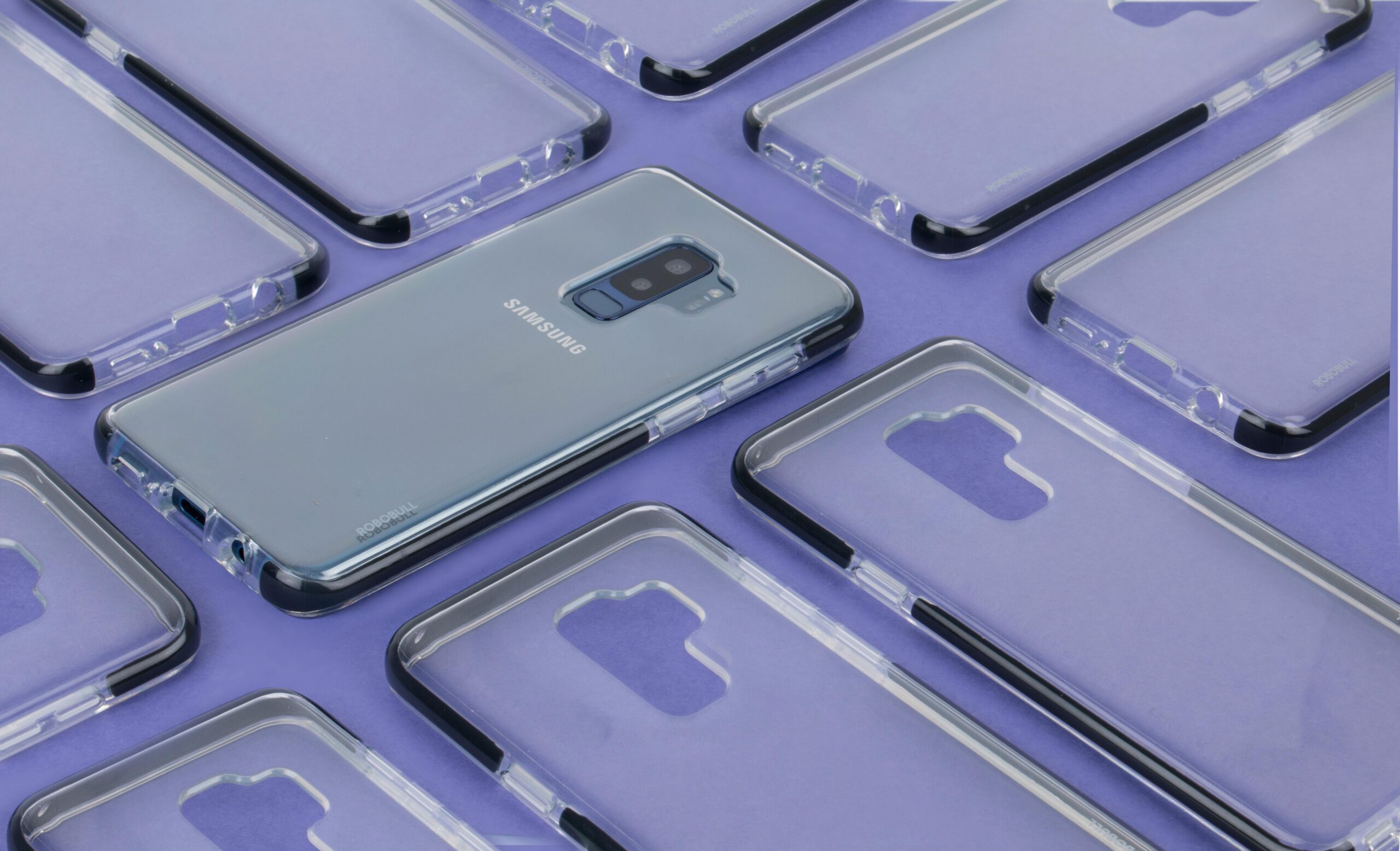
The term “Chicken Game” in the business world often refers to a brutal battle of endurance where the last one standing wins everything. In the history of the semiconductor industry, no one has played this game more ruthlessly or successfully than Samsung Electronics.
As a professional working in a global industrial firm in Japan, I often reflect on how Samsung’s aggressive “Speed & Quality” strategy contrasts with more conservative corporate cultures. Today, let’s dive into the history of Samsung’s dominance and why its future remains bright despite the rising “Chip War.”
1. The Bold “Tokyo Declaration”: From Ridicule to Reality
In 1983, Chairman Lee Byung-chull made the “Tokyo Declaration,” announcing Samsung’s entry into the high-tech memory chip market. At the time, the world—especially Japanese giants who controlled 80% of the market—laughed.
- The Scorn of Giants: Mitsubishi famously released a report stating, “Samsung’s attempt to make semiconductors is like a developing nation trying to launch a spacecraft.”
- The Reality Check: Fast forward 40 years, and once-mighty names like NEC, Hitachi, and Panasonic have either exited the memory business or vanished. Samsung didn’t just join the race; it rewrote the rules.
2. Winning the “Chicken Games”: The Art of Choking Out Competitors
Samsung’s victory wasn’t just about having deep pockets. It was about “Contrarian Investment”—investing more when others were cutting back.
- Quality First (The 1995 Bonfire): Before the wars began, Samsung cemented its “Quality First” DNA. After a high defect rate in 1995, Chairman Lee Kun-hee famously burned 150,000 Anycall phones in front of employees. This “Frankfurt Declaration” mentality (“Change everything except your wife and children”) ensured that Samsung’s chips weren’t just cheap; they were the best.
- The Fall of Qimonda (Germany) & Elpida (Japan): During the 2008 and 2012 crises, while competitors were bleeding cash, Samsung doubled down on facility investments and “Micro-processing” technology. This drove prices below the production costs of its rivals. Eventually, Germany’s Qimonda and Japan’s Elpida (the pride of Japanese semiconductors) declared bankruptcy.
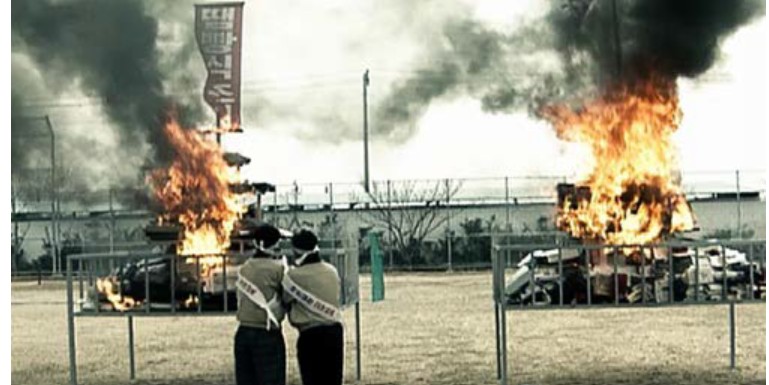
Burning Anycall is real! not a faiction
3. The New Challenge: The “Subsidy War” with China
The battlefield has shifted to China. Unlike previous games between private companies, this is a State vs. State battle.
- China’s “Zombie Strategy”: Firms like CXMT and YMTC are flooding the legacy market with government-subsidized low prices.
- The Geopolitical Barrier: While China is catching up in “Legacy Chips,” the U.S. sanctions on advanced equipment (like EUV) act as a shield for Samsung’s high-end territory.
4. Why Samsung’s Future Remains Bright
Despite the “Crisis Rumors” from a few years ago, Samsung’s position is stronger than ever in 2026.
- The HBM & AI Super-cycle: Samsung’s HBM4 and 2nm foundry technology are years ahead of Chinese competitors.
- The “Rapidus” Paradox: While Japan is trying to revive its glory with Rapidus, it feels like a repeat of the failed Elpida—a government-led project lacking a clear customer base. Samsung, on the other hand, has the entire ecosystem from chips to smartphones.
Closing Thoughts
Samsung’s history proves that “Crisis is a catastrophe for the unprepared, but the ultimate opportunity for the bold.” While I observe the slow and steady efforts of Japanese semiconductor revival here in Japan, I am reminded that in the world of tech, speed and the “Quality Obsession” (Japan’s big problem is only “Quality obsession” ) of Samsung are what truly define the winner of the Chicken Game.
Leave a Reply