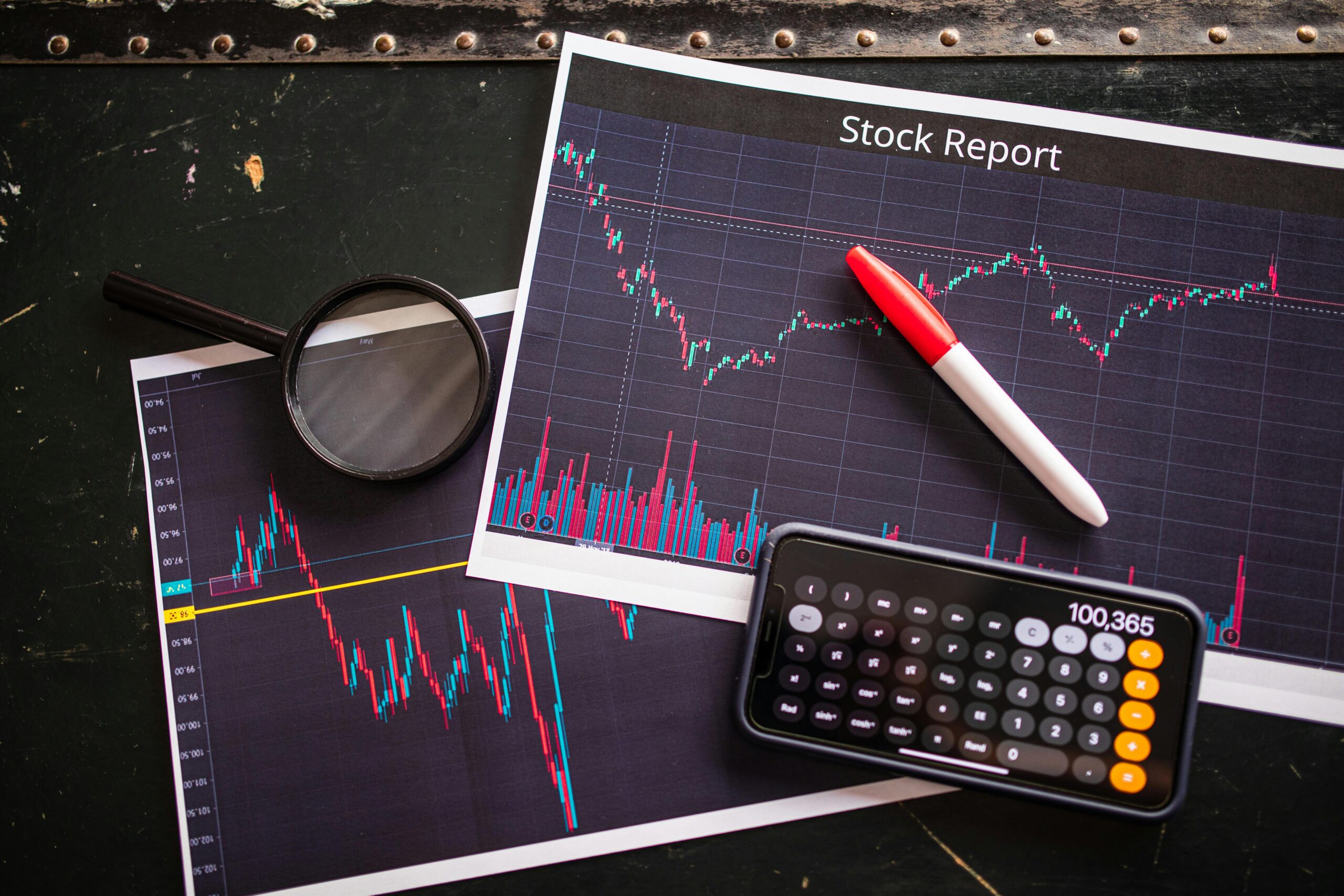
The date is January 28, 2026. The KOSPI has just shattered the 5,000-point ceiling, marking an 85% surge in just over a year. From the outside, it’s a golden era for Korean equities. But for many retail investors—the “Ants” of the market—the feeling is far from celebratory.
In the West, seeing Red means your portfolio is bleeding. In Korea, we use Blue to indicate a loss. But regardless of the color, the pain is the same: while the index hits historic highs, most individual accounts are stuck in the cold.
As a shareholder who has held Samsung Electronics for six long years—enduring three grueling years of being “underwater” with a 50% drawdown—I’ve seen this movie before. Today, I want to pull back the curtain on why 90% of retail investors are missing out on this AI-driven supercycle and what you can do to ensure you’re on the right side of the chart.
1. The Anatomy of KOSPI 5,000: How Did We Get Here?
The rally from 2,700 to 5,000 was fueled by a “Perfect Storm” of policy and industrial shifts:
- The “Value-Up” Revolution: The South Korean government finally cracked the code of the “Korea Discount.” Through aggressive tax incentives and mandatory shareholder returns, undervalued conglomerates were forced to play by global rules.
- The AI Memory Monopoly: Korea became the backbone of the AI era.
- HBM & Beyond: Samsung and SK Hynix locked down the High Bandwidth Memory (HBM) market.
- The Commodity DRAM Supply Shock: As production shifted to $HBM$, a massive supply vacuum occurred in standard DRAM (DDR5). Prices skyrocketed by over 150% in 12 months, leading to record-breaking operating profits exceeding 200 trillion KRW.
- Strategic Liquidity: Pro-growth fiscal policies provided the necessary tailwind, turning a steady climb into a vertical surge.
2. The Great Disconnect: Why Most Investors are Failing
If the market is up 85%, why did only 10% of retail investors profit?
① The Trap of Over-Trading
High-frequency trading is the enemy of a bull market. Data shows that younger retail investors had the highest turnover rates but the lowest net gains. By trying to “time the top,” they sold too early and chased the peaks, missing the core of the 85% rally.
② The Index Illusion (Concentrated Growth)
KOSPI 5,000 is a “heavyweight” victory. The gains were heavily concentrated in the Top 10 stocks—primarily semiconductors. Many retail portfolios remained heavy on mid-caps or older speculative themes, leading to a feeling of “recession in a boom.”
③ FOMO and the Leverage Trap
Most individual investors entered late. As the KOSPI climbed past 4,000, “Fear Of Missing Out” drove people to use margin trading (leverage). During minor “healthy corrections,” these leveraged positions were hit by margin calls, forcing investors out just before the market took off to 5,000.
3. The Power of “Jon-beo” (HODL): A 6-Year Veteran’s Perspective
I bought Samsung Electronics six years ago (The average price was 70,000 KRW at that time). For the first two years, things were fine. Then came the “winter”—three brutal years where my account was down 30%.
In the world of investing, we call it “Jon-beo”—a Korean slang for staying power or “HODL.” While others were panic-selling or jumping into volatile themes, I stayed. The lesson? The market doesn’t reward activity; it rewards conviction.
4. Takeaways for the Global Investor
- Embrace the Index: If you can’t beat the index, be the index. In a sector-driven rally, KOSPI 200 or Semiconductor ETFs are often superior to stock-picking.
- Understand the Supply Chain: Don’t just watch HBM; watch the commodity DRAM. When the “basics” become scarce due to tech shifts, that’s where the real profit explosion happens.
- Invest in What Korea Does Best: Korea’s competitive edge is semiconductors. Betting against this ecosystem in an AI-first world is a losing game.
Leave a Reply