Introduction: A Growing Safety Threat in Japan
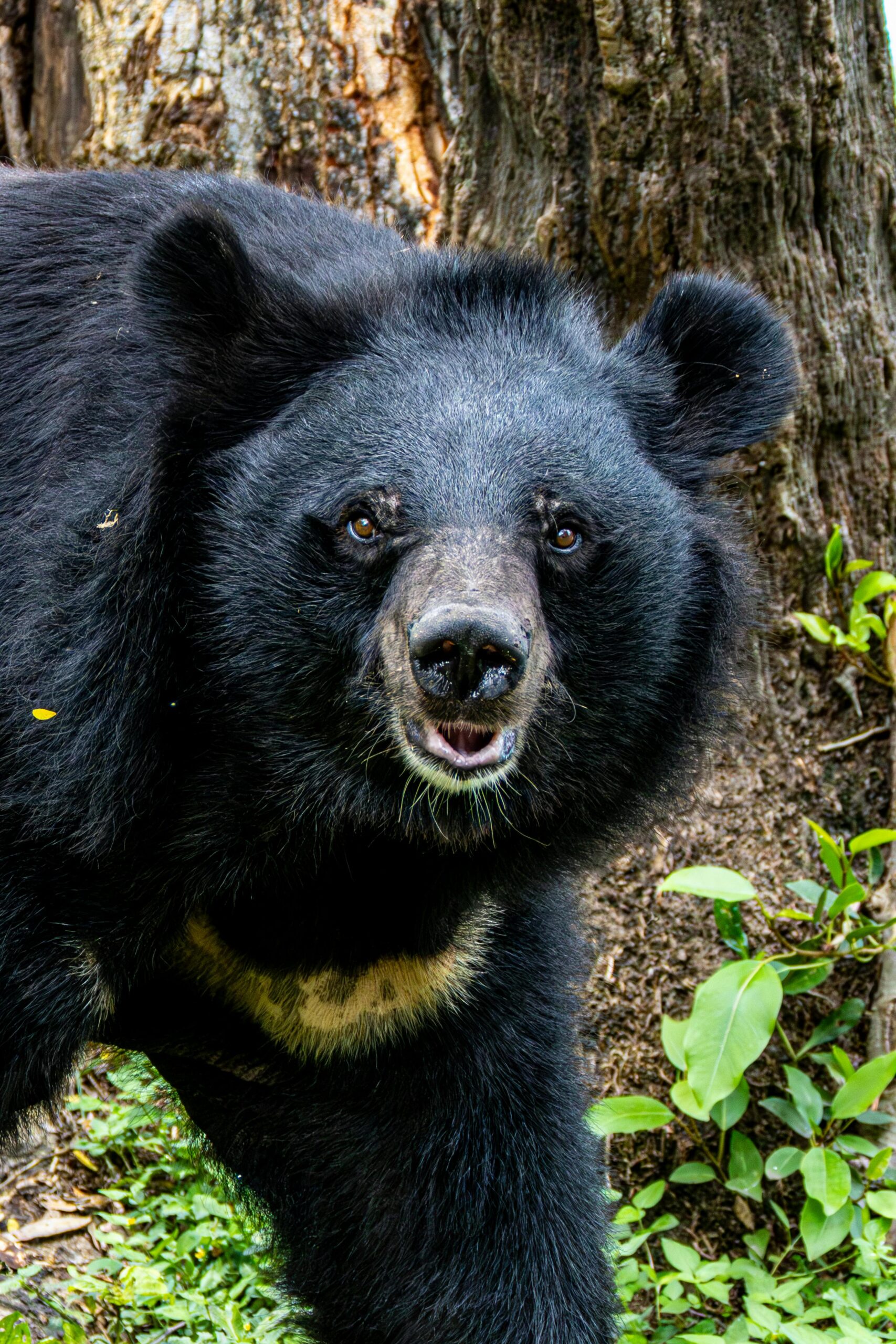
In recent years, Japan has been grappling with a surge in bear encounters that has put the entire nation on edge. These are not just isolated incidents in the deep mountains; bears are now encroaching on residential streets and urban parks. Understanding why these animals are so dangerous and why their behavior is changing is crucial for anyone living in or visiting Japan.
1. Why Japan’s Bears are Unique and Dangerous
Many people compare Japan’s bears to those found in North America or Europe, but there are distinct differences that make the local population particularly formidable.
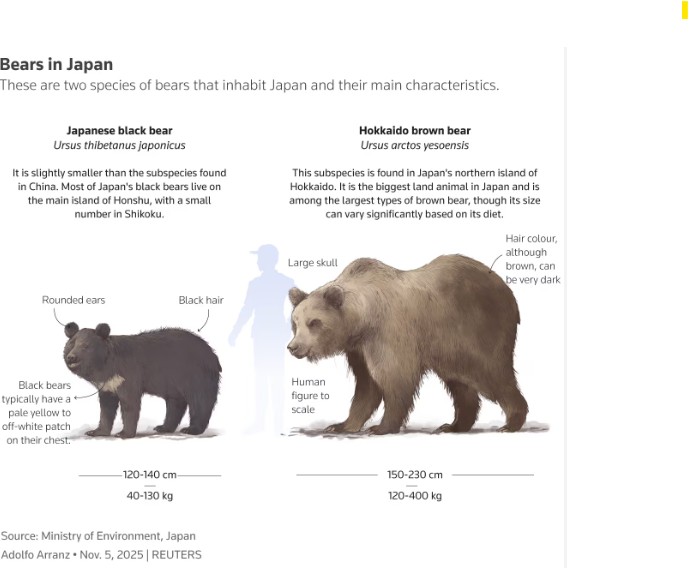
- The Two Giants: Japan is home to two main species: the Ussuri Brown Bear (Hokkaido) and the Asian Black Bear (Honshu).
- Massive Size (Brown Bears): The Ussuri Brown Bear in Hokkaido is a close relative of the Grizzly but can grow even larger, with some males weighing up to 400-500kg. Their sheer physical power makes any encounter potentially fatal.
- Extreme Aggression: Unlike some Western bear species that may be more timid, the Asian Black Bear is known for its highly territorial and defensive nature. They are surprisingly agile, excellent climbers, and can be extremely aggressive if they feel even slightly cornered.
- Evolutionary Adaptation: Due to Japan’s dense forests and mountainous terrain, these bears have evolved to be incredibly sturdy and powerful, capable of navigating rugged landscapes at high speeds.
2. The End of Hibernation: Why Bears Stay Active in Winter
A terrifying new trend is the rise of bears that do not hibernate. While climate change plays a role, human factors are a major catalyst.
- No Need for Sleep: Bears traditionally hibernate to survive when food is scarce. However, as they venture closer to human settlements, they find a consistent food supply year-round.
- The “Easy Buffet”: With access to unharvested crops, fallen fruits, and poorly managed household waste, many bears have realized they don’t need to sleep through the winter. Why go through the physiological stress of hibernation when there is high-calorie “human food” available nearby?
- Ecological Shift: This lack of hibernation means bears are active during months when people least expect them, leading to surprise encounters in the middle of winter.
3. Essential Bear Safety & Survival Guide
1) Prevention: How to Avoid an Encounter
- Make Your Presence Known: Use high-quality bear bells or speak loudly while hiking.
- Eliminate Attractants: This is vital. Never leave food waste or trash outside. If you live near a forest, ensure your yard is clear of fallen fruit or pet food that could serve as an “easy meal.”
- Stay Informed: Check local municipal websites for recent sighting maps before heading out.
2) Response: If You Encounter a Bear
- Stay Calm & DO NOT RUN: Running will trigger the bear’s hunting instinct. A bear can easily outrun a human on any terrain.
- Back Away Slowly: Keep your eyes on the bear (without staring aggressively) and retreat slowly.
- Use Defensive Tools: If the bear approaches, use bear spray (pepper spray designed for bears) if available.
- Protect Your Vitals: If an attack is unavoidable, drop to the ground, face down, and interlock your fingers behind your neck to protect your head and throat.
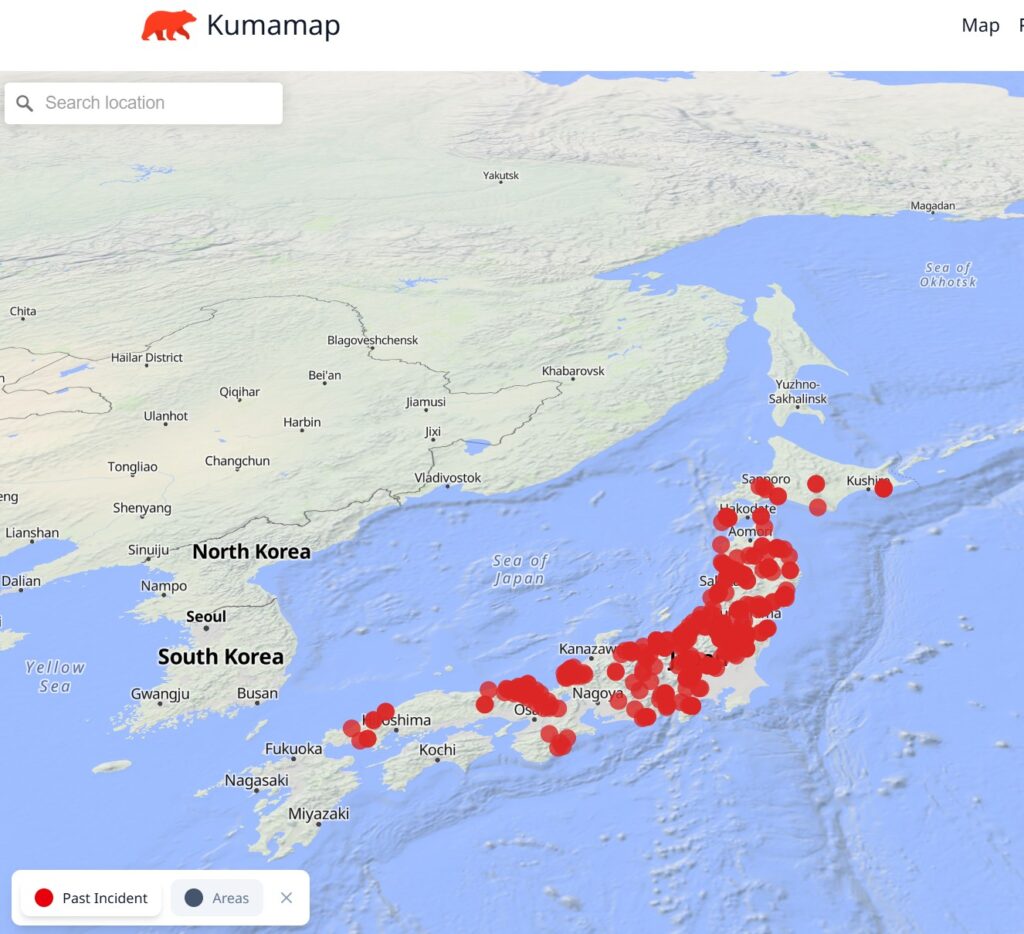
You can see bear map in https://kumamap.com/en/map
Leave a Reply