With the global boom of Japanese pop culture, anime, and the rise of digital nomads, moving to Japan has become a dream for many. From spotless streets to incredible food and world-class safety, Japan looks perfect from the outside.
But after spending years living in Japan, I’ve learned one important truth: Japan is an amazing place—just not for everyone.
Before you book that one-way ticket, it’s worth understanding the personality traits and lifestyle mindset that truly fit life here. This isn’t a fantasy guide—it’s a realistic one.
So let’s talk honestly about who thrives in Japan, and who may struggle.
✅ You’ll Probably Love Living in Japan If…
1. You Are Naturally Introverted and Respectful of Boundaries
Japan is a haven for people who value personal space. Eating alone, traveling solo, or living quietly is completely normal—and respected.
Japan is a paradise for those who value personal space. The culture of “not bothering others” (Meiwaku) is the foundation of society. If you don’t crave constant social validation and enjoy the quiet order of a neighborhood, you’ll find deep comfort here.
2. You Value Stability Over Ambition
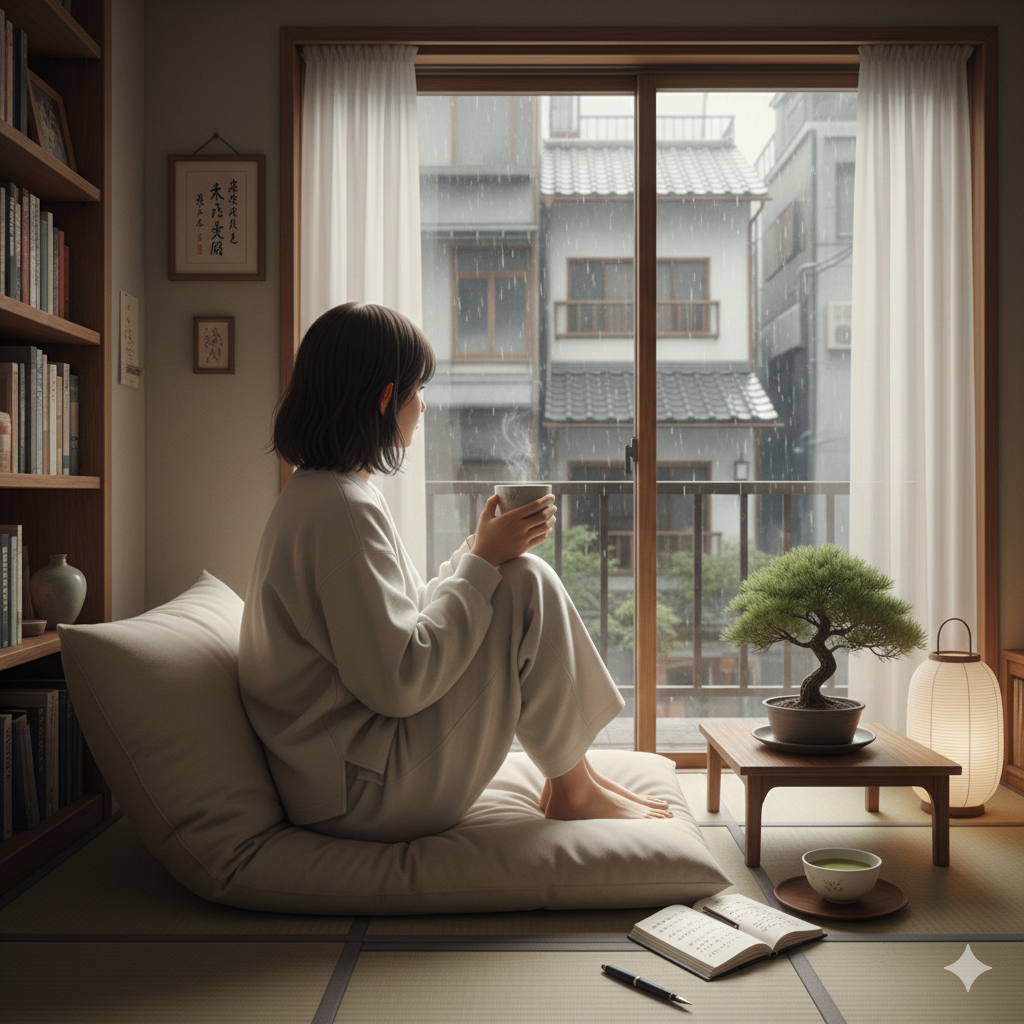
If your goal is a peaceful, safe, and predictable life, Japan is ideal.
If your goal is a peaceful, safe, and predictable life, Japan can be an excellent fit. It’s a society intentionally built around the middle class, where extremes—both good and bad—are rare. The upside may feel limited: explosive wealth, rapid promotions, and dramatic financial leaps are far less common than in places like the U.S. or Korea. But the downside is limited too. You’re unlikely to fall hard or fast.
In Japan, both the ceiling and the floor are relatively low. You may not soar, but you’re also well protected from crashing. Life moves at a measured pace, supported by strong infrastructure, public safety, reliable healthcare, and a social system designed to keep people afloat rather than push them to extremes.
This is why Japan works especially well for people looking to settle down long-term. If your priority is building a stable life, raising a family, or maintaining a calm and predictable household, Japan offers an environment that quietly supports those goals. It’s a place where consistency matters more than ambition, and where choosing stability over risk isn’t seen as failure—but as a sensible, respectable life choice.
Japan isn’t for those chasing dramatic wins. It’s for those who prefer a long, steady walk—one where the path is clearly marked, well-maintained, and unlikely to suddenly disappear beneath their feet.
3. You’re Willing to Seriously Learn Japanese
You don’t need perfect Japanese—but effort matters far more than people expect.
Let’s be honest: Japanese is one of the hardest languages for English speakers to learn. The grammar is different, the writing system is complex, and the cultural nuances can be tricky to grasp. It’s a challenge that can sometimes feel overwhelming. But here’s the thing—if you keep at it, you will be noticed, and your efforts will eventually pay off.
Learning Japanese won’t magically turn you into an insider right away, and it certainly won’t erase all the cultural barriers. But it will fundamentally change how you experience daily life here. Simple tasks like navigating city offices, getting medical care, ordering food, or even making small talk become smoother and more manageable. And more importantly, people will respond differently when they see that you’re making an effort.
In Japan, language is seen as a sign of respect. Speaking Japanese—no matter how imperfectly—shows that you’re committed to understanding the culture and fitting into the community. That effort doesn’t go unnoticed. You’ll find that people tend to treat you with more warmth, patience, and kindness. You’ll notice better service at restaurants, a more helpful attitude from shopkeepers, and an overall shift in how others engage with you.
Now, let’s be real: the journey isn’t easy. There will be times when you feel like you’re making no progress or when the challenges of mastering the language seem insurmountable. But don’t give up. The more you push through those tough moments, the more you’ll see things start to click. Over time, speaking Japanese becomes less of a hurdle and more of a tool that makes life in Japan more enjoyable.
And yes, Japan is one of the few places where your language efforts are not just appreciated—they’re rewarded. The more you engage, the more you’ll start to feel like you truly belong here. So, while Japanese may be tough, keep learning, keep trying, and eventually, Japan will start to feel like home.
❌ You May Struggle in Japan If…
1. You’re Extremely Extroverted and Socially Driven
If your happiness depends on spontaneous hangouts, quickly formed deep friendships, or the energy of loud group gatherings, Japan can feel isolating at times.
While there are certainly many outgoing and social people in Japan, the way friendships are built here can feel a bit different from what you might be used to. Social circles tend to be more closed, slow to form, and highly structured. People here aren’t always quick to invite you into their inner circles, and it often takes a lot of time before real bonds are formed.
The pace of building friendships in Japan can be frustratingly slow, especially for extroverts who are used to more immediate connections. What might surprise you is that even if you spend a lot of time together—whether drinking, eating, or hanging out—there’s always the possibility that the relationship will suddenly feel awkward or distant the next day. People might seem warm one moment, but the closeness can quickly fade if the connection isn’t solidified over time.
So while Japan is home to many lively and outgoing individuals, building a true, deep friendship here often takes years. If you’re the type of person who thrives on quickly established relationships and spontaneous social energy, it can feel emotionally distant, even if you’re surrounded by people.
If your happiness dependson spontaneous hangouts, quickly formed deep friendships, or the energy of loud group gatherings, Japan can feel isolating at times.
While there are certainly many outgoing and social people in Japan, the way friendships are built here can feel a bit different from what you might be used to. Social circles tend to be more closed, slow to form, and highly structured. People here aren’t always quick to invite you into their inner circles, and it often takes a lot of time before real bonds are formed.The pace of building friendships in Japan can be frustratingly slow, especially for extroverts who are used to more immediate connections. What might surprise you is that even if you spend a lot of time together—whether drinking, eating, or hanging out—there’s always the possibility that the relationship will suddenly feel awkward or distant the next day. People might seem warm one moment, but the closeness can quickly fade if the connection isn’t solidified over time.
So while Japan is home to many lively and outgoing individuals, building a true, deep friendship here often takes years. If you’re the type of person who thrives on quickly established relationships and spontaneous social energy, it can feel emotionally distant, even if you’re surrounded by people.

2. You’re Motivated by Hustle Culture and Flashy Success
Japan isn’t a “get rich fast” environment.
While Japan offers great stability and job security, it’s not a place where you’re likely to see instant wealth or rapid career growth. Taxes are high, work culture can be rigid, and seniority still plays a significant role in many industries. Unlike some other places where individual achievements are loudly celebrated, standing out financially or flaunting success can actually work against you in Japan. The culture values modesty and conformity, and there’s a strong emphasis on fitting in rather than standing out.
However, the good news is that, especially in recent years, Japan has seen a shift due to labor shortages across various sectors. It’s actually become easier to find work—especially in fields where there is a demand for talent. The job market can be surprisingly stable, and for those who value a steady, secure job, Japan offers a predictable and safe living environment.
You can find a job relatively easily and live comfortably, but don’t expect to get rich quickly or experience the type of fast-paced success often associated with hustle culture. The path to success here is more about long-term stability than quick, high rewards. If you’re content with gradual progress and don’t mind a more laid-back, predictable life, Japan can offer you a great place to settle and thrive—but the rapid growth and flashy success that hustle culture celebrates may not be in the cards.
3. You Have a Very Strong, Assertive Personality
There’s a well-known Japanese saying:
“The nail that sticks out gets hammered down.”
Direct confrontation, loud self-expression, or constant debate can create invisible friction. Harmony (wa) is often valued more than individual opinion.
If expressing yourself boldly is central to who you are, adapting to life in Japan may feel emotionally restrictive over time.

Final Thoughts: Moving to Japan Is About Compatibility, Not Perfection
Japan isn’t “good” or “bad.” It’s specific.
If your personality aligns with its social rhythm, living in Japan can be deeply fulfilling—safe, peaceful, and quietly beautiful. But if your values clash with its unspoken rules, even the best cities can feel heavy.
Before making the leap, ask yourself one honest question:
Are you comfortable blending in, slowing down, and playing the long game?
If the answer is yes, Japan might just feel like home.
Leave a Reply