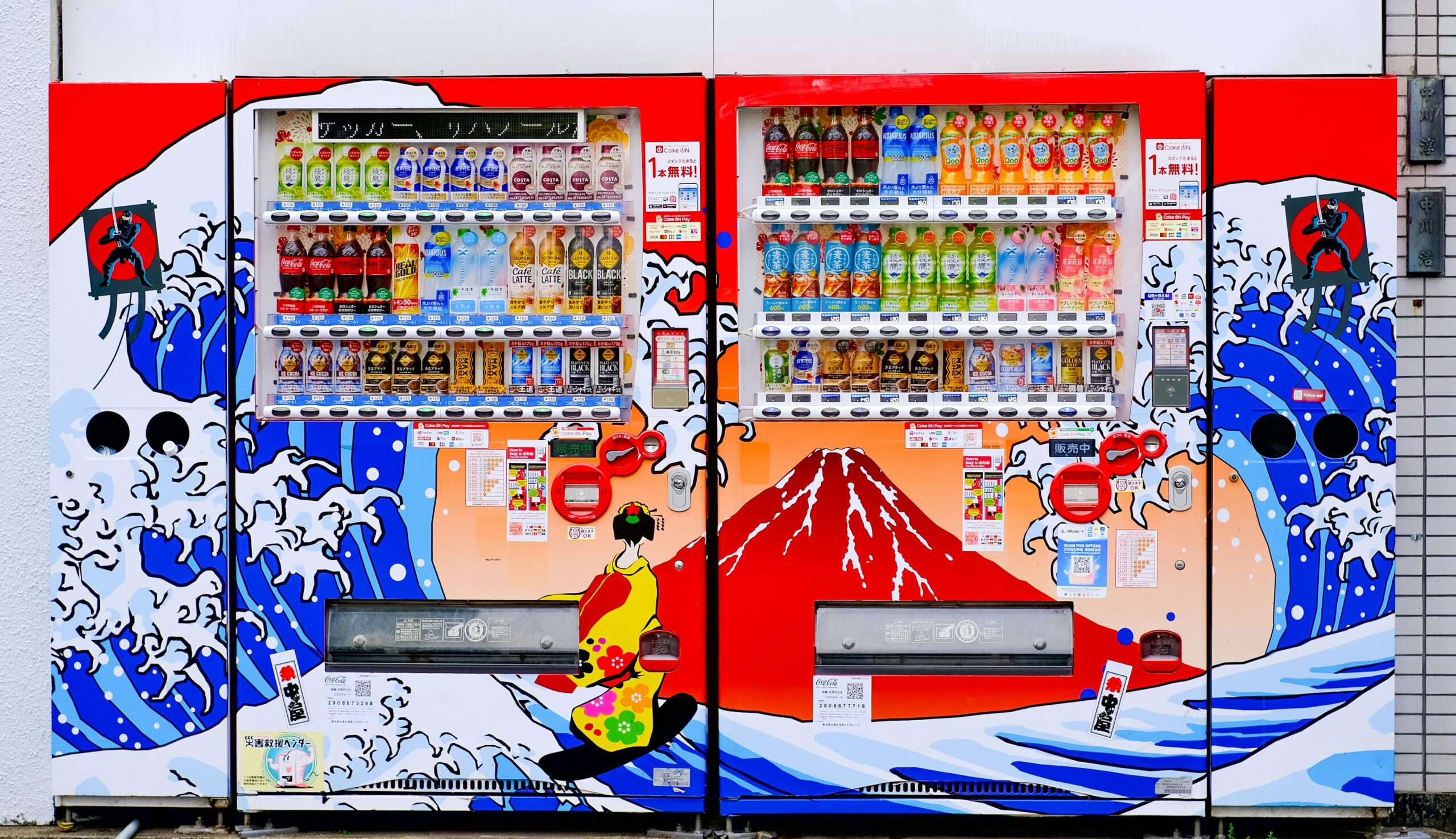
Introduction: A Land of 4 Million Machines
If you’ve ever walked through the neon-lit streets of Tokyo or a quiet rural path in Yokohama, you’ve likely noticed a constant companion: the Japanese vending machine (自動販売機, Jidohanbaiki). With nearly 4 million units nationwide—roughly one for every 30 to 40 people—Japan boasts the highest vending machine density in the world.
But why is this “unmanned retail” so successful here? Let’s dive into the unique blend of safety, economy, and cutting-edge technology that makes Japan a vending machine paradise.
1. The Three Pillars of Success: Why So Many?
The ubiquity of these machines isn’t an accident. It’s built on three core Japanese social factors:
- Nice Public Safety: In many countries, an outdoor machine filled with cash and products is a target for vandalism. In Japan, however, the low crime rate allows machines to stand safely in remote alleys or parks, operating 24/7 without fear of theft.
- Economic Efficiency & Labor Shortage: With an aging population and rising labor costs, vending machines serve as “automated clerks.” They require minimal space—perfect for high-rent cities like Tokyo—and generate steady revenue without the need for human staff.
- The “Shyness” Factor & Convenience: The mass circulation of the 100-yen coin in the 1960s sparked the initial boom. Culturally, many Japanese consumers appreciate the “contactless” nature of machines, preferring a quick, silent transaction over small talk with a shopkeeper.
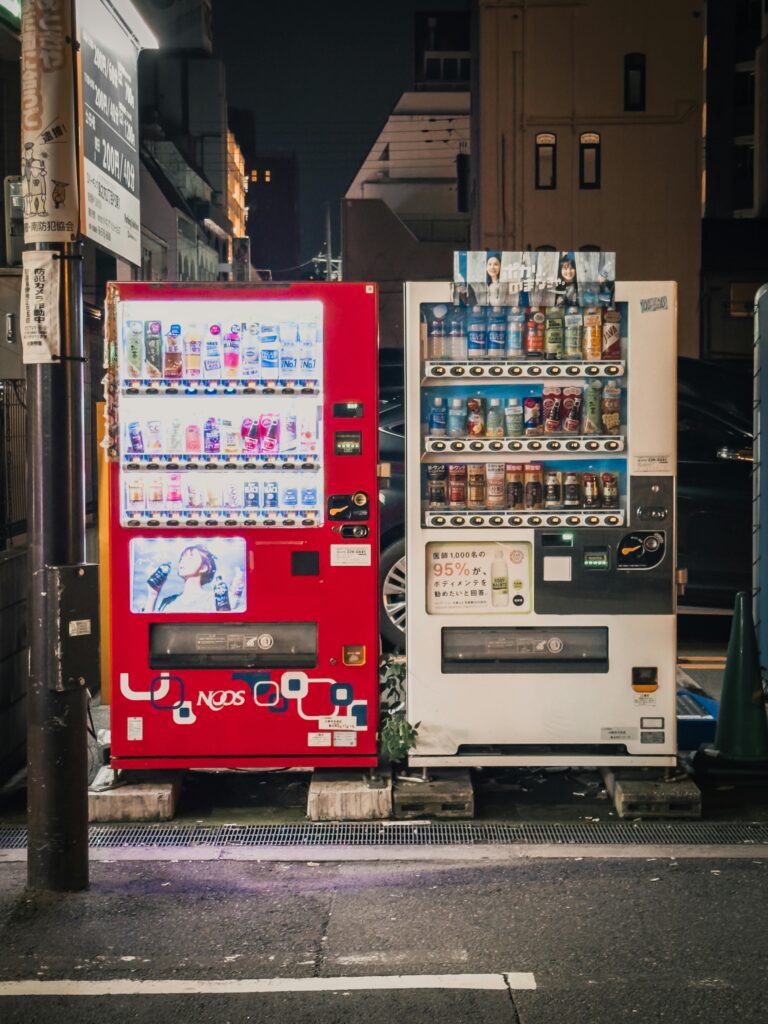
This is typical vending machine in Japan. Needless to say, you can find normal beverage vending machine and you can find frozen food vending machine next to some restaurants. I was surprised that their flavor was almost same with the foods I had in the restaurants.
2. Beyond Drinks: “Wait, They Sell That Too?”
While tea and coffee are staples, Japan’s vending machines are essentially miniature department stores. You can find:
- Hot Gourmet Meals: From steaming bowls of ramen and udon to toasted sandwiches and crispy gyoza.
- Fresh & Luxury Ingredients: Farm-fresh eggs, frozen Wagyu beef, and even premium delicacies like caviar or whale meat.
- The Bizarre & Unique:
- Edible Insects: Canned crickets and scorpions for the adventurous foodie.
- Flying Fish Dashi: Whole grilled fish inside bottles of cooking broth.
- Emergency Seals (Hanko): Need a personalized name stamp in 10 minutes? There’s a machine for that.
- Mystery Boxes: The “King’s Treasure Box” machines offer wrapped gifts that might contain anything from a trinket to a high-end gaming console.
3. The High-Tech Evolution: No Cash? No Problem.
Japan is rapidly moving away from its “cash-only” reputation. Modern machines are now tech hubs:
- IC Cards (Suica/PASMO): The most popular way to pay—just a 1-second tap.
- QR & Mobile Payments: Support for PayPay, LINE Pay, and Apple Pay is now standard.
- Facial Recognition: Some “empty-handed” machines allow you to pay simply by looking at a camera, linked to your pre-registered account.
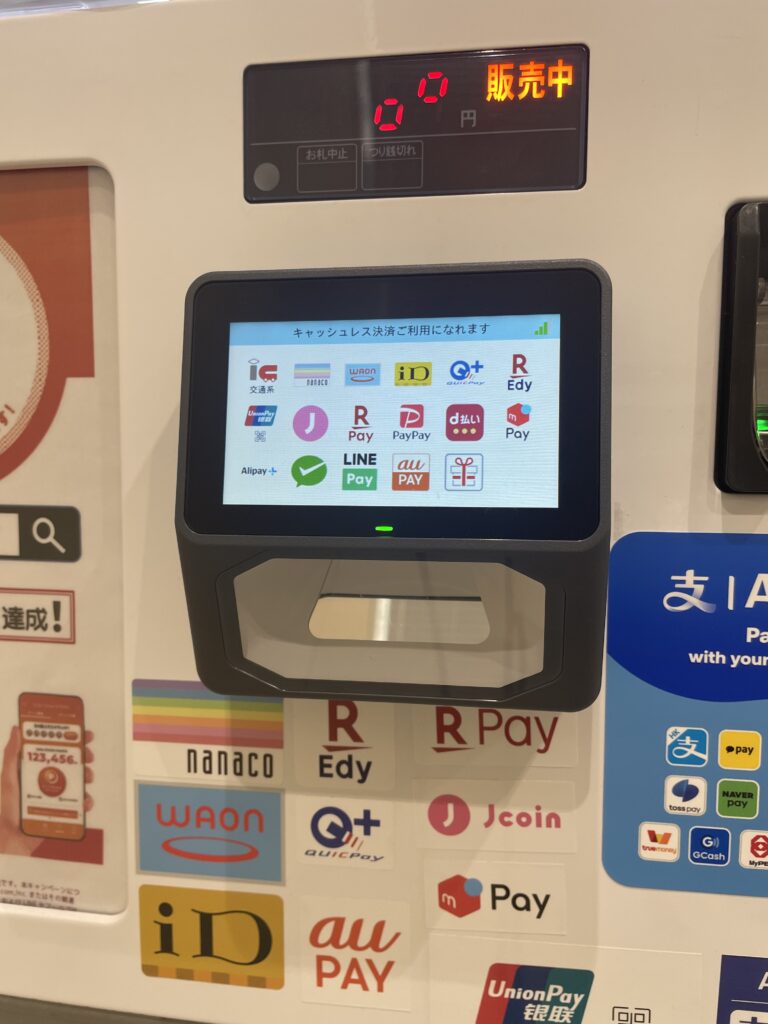
There are a lot of options you can pay to vending machines!
https://www.dydo.co.jp/jihankiconsul/column/detail/column_102.html
4. A Social Lifeline: The Future of Vending
These machines are evolving into vital social infrastructure:
- Disaster Relief: In the event of a major earthquake, many machines automatically switch to “Disaster Mode,” providing free drinks and Wi-Fi to those in need.
- Eco-Friendly Innovations: New “CO2-eating” machines use special materials to absorb carbon dioxide from the air—one machine can absorb as much CO2 as 20 cedar trees!
- AI Concierges: AI-powered screens can now recognize your age and gender to recommend the perfect drink based on the current weather and temperature.
Final Thoughts
The next time you’re in Japan, don’t just walk past that glowing box on the corner. It’s a reflection of Japanese culture: a perfect harmony of safety, hospitality (Omotenashi), and relentless innovation.
Leave a Reply